

FAQs
How is saké made?
Is saké distilled?
No. Saké is a fermented beverage—much like beer and wine—not a distilled spirit.
What is koji?
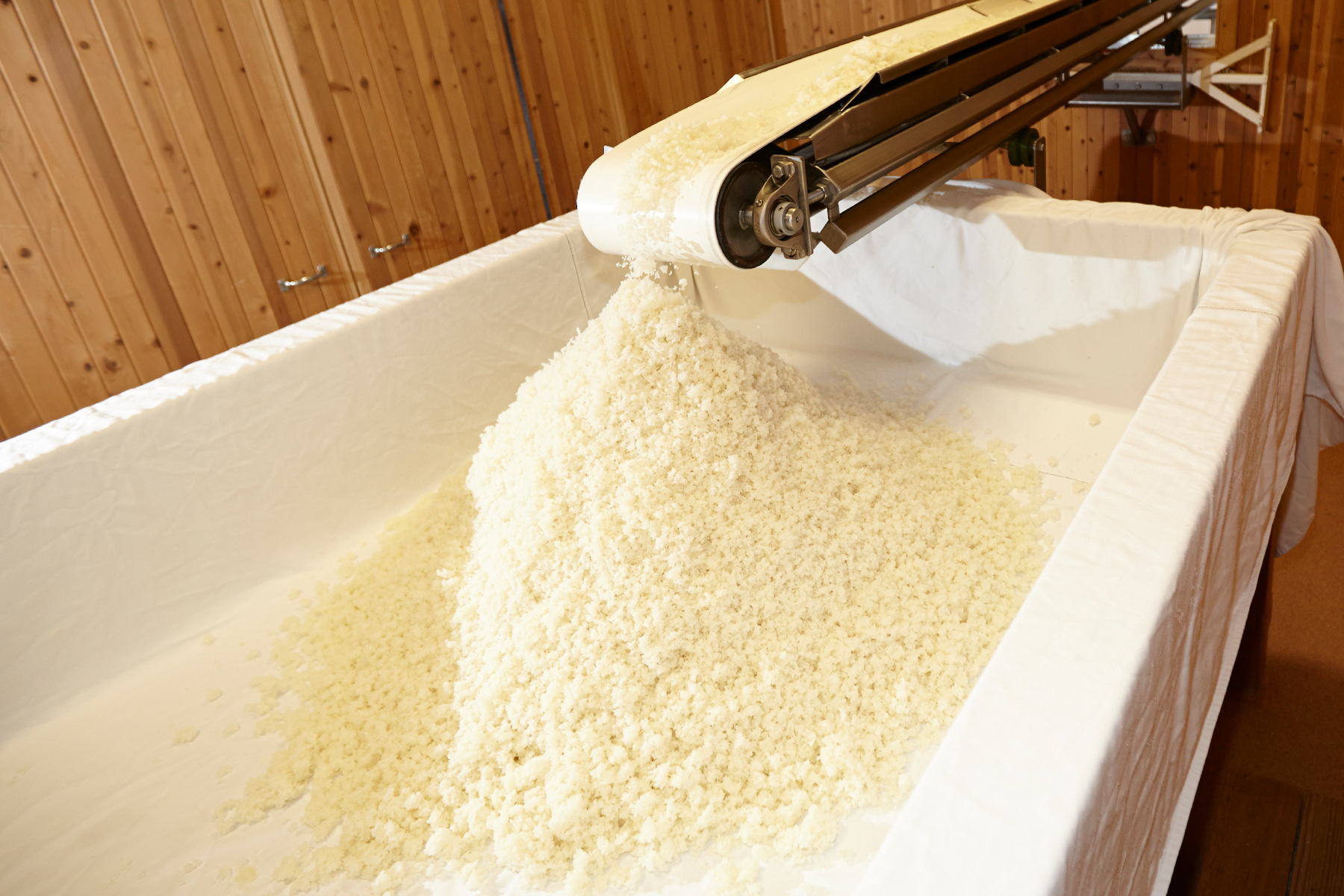
Koji is a mold cultivated on rice, and it comes in several varieties. Yellow koji is used for brewing saké, while black and white koji are traditionally used for shochu, Japan’s distilled spirit. Koji’s enzymes play a crucial role in saké brewing, breaking down rice starches and supplying essential nutrients that support healthy yeast activity.
What are the stages of saké fermentation?
Saké fermentation follows a three-stage build known as Sandan Jikomi, a process that gradually introduces ingredients so the batch can acclimate to the growing volume. This stepwise approach is one of the defining features of saké brewing.
- Stage 1 — Day 1 (Soe): The brew begins with the first addition of ingredients: the yeast starter (moto), koji rice, steamed rice, and water—totaling roughly 1/6 of the full batch.
- Stage 1 — Day 2 (Odori, “The Dancing Day”): No ingredients are added on this day. Instead, the mixture is given time to “dance,” allowing the yeast to adjust without being overwhelmed by too many additions too quickly.
- Stage 2 — Day 3 (Naka): In the second stage, another 2/6 of the ingredients are incorporated, increasing the volume and strengthening fermentation activity.
- Stage 3 — Day 4 (Tome): The final 3/6 of the ingredients are added, completing the build and setting the foundation for full fermentation.
How long does fermentation last?
Saké fermentation typically runs 21–28 days for larger batches and 23–33 days for smaller batches, depending on the style being crafted.
How long should I age my bottle of saké?
Most saké is not meant to be aged. Unless it was specifically brewed as an aged style—known as koshu—saké should be enjoyed fresh to experience it exactly as the brewer intended.
How soon should I finish my bottle after it’s been opened?
Opened saké can last for up to six months if kept chilled and stable, as it doesn’t oxidize as quickly as wine or beer. However, for the best flavor and freshness, it’s still recommended to enjoy it sooner rather than later.
What’s the best temperature to serve saké?
Saké can be enjoyed at a variety of temperatures. While we recommend serving premium saké chilled, it can be fun to try it warm, cool, or somewhere in between to discover how its character and nuances change with temperature.
What foods are best served with saké?
Saké pairs beautifully with a wide range of foods, including pizza, burgers and tacos. Just be mindful not to overpower a delicate saké with overly spicy dishes—and enjoy!